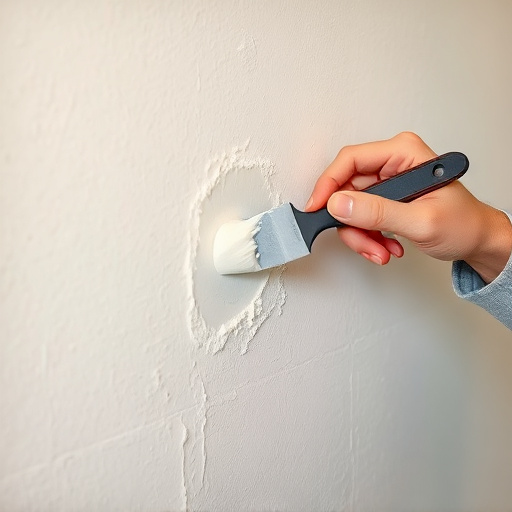
In today's do-it-yourself world, tackling home repairs and improvements can seem like a worthwhile endeavor for any homeowner. However, not all projects are created equal. For tasks like patching drywall holes, replacing outlets, or painting interior walls, a misstep could lead to costly repairs or even safety hazards. This article serves as your practical guide to discerning which jobs are best left to professionals and offers practical advice on DIY safety. By understanding the importance of expert intervention in certain areas, you'll be equipped to make informed decisions, ensuring your home improvements are both effective and secure.
- Assessing Your DIY Capabilities: Safety First
- Essential Tools and Materials for Interior Painting
- When to Hire a Professional for Complex Jobs
- Painting Interior Walls: Natural Techniques and Tips
Assessing Your DIY Capabilities: Safety First
Assessing Your DIY Capabilities: Safety First
Every homeowner has a list of tasks they'd like to tackle themselves, but not all projects are suitable for DIYers. Safety should always be the top priority when considering a DIY project, especially when it involves tasks like painting interior walls or working on your home's structure. While the DIY spirit is admirable, some jobs require professional expertise to ensure they're done correctly and safely. Let's explore how to determine your capabilities and when to leave a project to the pros.
Tasks like caulk application and sealing gaps against scorpions can be tackled by homeowners with some basic tools and a bit of know-how. However, projects like replacing a ceiling fan or adjusting sticking doors might be better left to a licensed contractor. A local Tucson garage door company, for example, has the specialized tools and training to handle complex door adjustments, ensuring both functionality and safety. Painting interior walls is generally within the reach of most DIYers, but always consider your comfort level and the scale of the project. If you're tackling a large space or unsure about the quality of your work, it might be best to consult a professional for guidance or even complete installation.
Remember, many DIY projects can be successfully completed with the right tools, safety gear, and a bit of research. However, when in doubt, it's always wise to consult a professional. They can provide expert advice tailored to your specific situation, ensuring your home is improved safely and effectively.
Essential Tools and Materials for Interior Painting
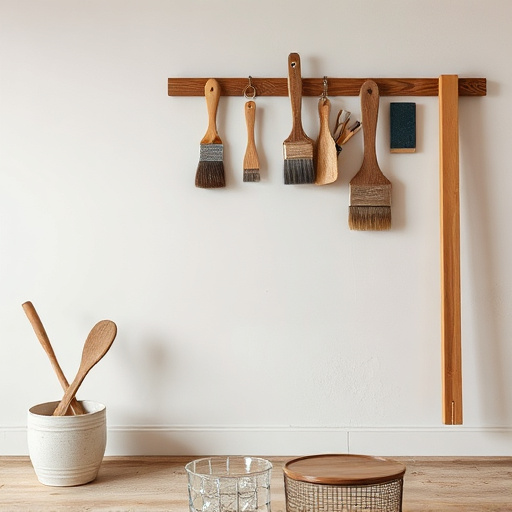
When tackling interior painting projects, a handyman can make the process smoother and more efficient with the right tools and materials. A well-equipped toolbox is essential for any DIY enthusiast, especially for preparing surfaces and applying paint. A Tucson garage door technician might use similar principles when servicing doors, emphasizing the importance of proper tools for the job.
Start by gathering essential tools designed for painting tasks. A sturdy step ladder is a must for reaching high walls and ceilings. Safety is paramount, so invest in a good pair of safety glasses and gloves to protect against paint fumes and splashes. A paint tray, roller, and brush set in various sizes will allow for versatile painting techniques. For detailed work, a small brush with fine bristles is ideal for cutting in along edges and corners. A roller cover and frame make quick work of large surfaces, ensuring even coverage. Don't forget a bucket for mixing paint and cleaning your tools.
Plumbing tools can also come in handy during the preparation stage. A pressure washer or a powerful hose can help remove stubborn dirt, dust, and previous paint layers from the walls. This thorough cleaning is crucial for achieving a professional finish. Tape and a level ensure precise cutting and hanging of paint edges, preventing bulky, uneven lines. A putty knife and spackle are essential for repairing any holes or cracks in the walls before painting, ensuring a smooth surface. Finally, a good-quality primer and paint suitable for interior walls will provide the best results and longevity.
When to Hire a Professional for Complex Jobs
When tackling home improvement projects, knowing what tasks to handle yourself and when to hire a professional is crucial. While DIY projects can be rewarding, certain complex jobs require specialized skills and equipment. Interior painting demands an understanding of color theory, application techniques, and safety measures, especially when dealing with large spaces or intricate details. The same goes for more structural tasks like installing or repairing a swamp cooler, which involves specialized knowledge and equipment to ensure optimal cooling efficiency and safety.
While some jobs, like patching drywall or replacing outlets, can be safely and effectively done by homeowners, others, such as regrouting tile or adjusting sticking doors, are best left to licensed professionals. A local Tucson garage door company, for example, is equipped to handle complex door issues due to their specialized training and experience. A professional approach is essential for these tasks as they often involve intricate mechanics, safety considerations, and adherence to building codes.
When considering a project, ask yourself: Does it require specialized tools or knowledge? Will it impact structural integrity or safety? Is there a potential for complex or hazardous conditions? If the answer to any of these questions is yes, it's advisable to consult a contractor. Remember, while DIY can save costs, attempting complex tasks without proper training can lead to accidents, subpar results, or even damage to your property. Painting interior walls, for example, is a great DIY project, but if you're unsure about the scope or complexity, consult a professional for guidance.
Painting Interior Walls: Natural Techniques and Tips
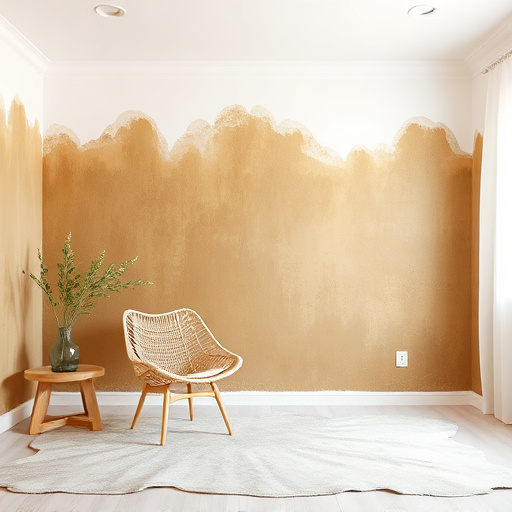
Painting interior walls in a desert home presents a unique challenge due to the extreme climate and potential for moisture issues. As a handyman tackling DIY projects, it's crucial to understand the best practices for achieving a professional finish while ensuring your safety. For painting, opting for natural techniques can be an environmentally conscious and cost-effective choice.
In a Tucson home, where the desert sun can be intense, proper preparation is key. Begin by weatherstripping windows and doors to prevent drafts and seal any gaps. This simple step can significantly reduce the amount of paint needed and minimize the risk of premature fading or peeling. Next, choose high-quality, low-VOC (volatile organic compound) paint designed for interior use. These paints offer better coverage and dry faster, reducing the time spent on the project.
Before painting, inspect the walls for any signs of damage or moisture. If you notice any cracks or holes, patch and prime them to create a smooth surface. This process ensures that your paint job will be durable and long-lasting. When preparing the walls, remember that a clean environment is essential. Remove all furniture and protect floors with drop cloths. Use plastic sheeting to cover light switches and outlets, and consider using a paint tray and roller to minimize mess and ensure even coverage.
Incorporating natural elements into your painting process can further enhance the aesthetics and sustainability of your project. Consider using a color palette inspired by the desert landscape, incorporating earthy tones and subtle hues. For a truly unique touch, explore natural finishing techniques like applying a thin layer of beeswax or linseed oil over the paint to achieve a soft, matte finish that pays homage to the region's historic architecture. Remember, when undertaking any DIY project, safety is paramount. Always wear protective gear, including gloves and safety goggles, and ensure proper ventilation during the painting process. A local Tucson home service pro emphasizes the importance of following manufacturer guidelines for paint application and safety, adding a professional touch to your DIY endeavors.
Frequently Asked Questions About advice on DIY safety and jobs to leave to a pro
What is DIY safety?
DIY safety refers to the practices and precautions taken when performing do-it-yourself (DIY) projects around the home. It involves understanding and mitigating risks to prevent accidents, injuries, or property damage. This includes using proper tools and equipment, wearing protective gear, and following safety guidelines specific to each project.
When should I leave a repair job to a professional?
Leave a repair job to a professional when the task involves specialized knowledge, tools, or potential hazards. Electrical repairs, plumbing work, or structural renovations often require licensing and expertise best handled by certified professionals to ensure safety and code compliance.
Can I save money by doing DIY repairs myself?
Absolutely. DIY repairs can significantly reduce costs compared to hiring a professional. However, consider the time and effort required. For smaller, straightforward tasks, DIY can be economical. For complex or specialized jobs, the potential savings may not outweigh the risks or the time spent learning.
How do I ensure a safe DIY project?
Prioritize safety by researching the project thoroughly, gathering the right tools and materials, and wearing appropriate protective gear, such as safety glasses, gloves, and a dust mask. Follow instructions carefully, take breaks, and stay hydrated. If unsure, consult a professional or seek guidance from local resources like Austin Appliance Masters (a local Austin appliance repair company) for specific advice.
What if I damage something during a DIY project?
Accidents happen. If you damage something during a DIY project, assess the situation. Minor mistakes may be fixable. For significant damage, especially involving electrical or plumbing systems, it's best to call a professional. Insurance may cover the cost, but a professional can ensure the repair is done correctly and safely.
Are there any DIY projects I should never attempt?
Some projects are best left to professionals. These include major electrical work, gas line repairs, complex roofing, and structural modifications. These tasks often require specialized knowledge, permits, and equipment that can be dangerous for amateurs. Always consult with a licensed contractor or Austin appliance repair technician for guidance.
As you've explored the possibilities of DIY projects, particularly focusing on painting interior walls, you've gained valuable insights into what tasks you can confidently take on yourself and when it's best to turn to a professional. Remember, the key to successful DIY projects is assessing your abilities, prioritizing safety, and selecting the right tools and materials.
For complex jobs like painting interior walls naturally-where technique and preparation are crucial-a professional's expertise is invaluable. These experts can offer not just superior workmanship but also personalized advice tailored to your home's unique needs.
Moving forward, consider the following practical steps:
- Assess Your Capabilities: Before tackling any project, be honest with yourself about your skill level. If a task seems beyond your comfort zone, don't hesitate to consult a professional for guidance or assistance.
- Stock Your Toolbox: Ensure you have the essential tools and materials for any DIY endeavor. For natural painting techniques, this might include eco-friendly paints, proper brushes, and protective gear.
- Learn and Adapt: Continuously educate yourself on new techniques and safety practices, especially for specialized jobs. This knowledge will not only enhance your skills but also help you recognize when professional intervention is necessary.
By embracing these principles, you'll be well-equipped to navigate your DIY journey, ensuring that both simple and complex tasks are completed to a high standard.
When tackling home improvement projects, prioritize safety and consider your DIY capabilities. Some tasks, like painting interior walls, are within reach for most homeowners with the right tools and knowledge. Others, such as complex structural work or precise door adjustments, require professional expertise.
For painting interior walls in desert homes, follow these natural, cost-effective tips:
- Preparation: Weatherstrip windows and doors, use low-VOC paint, and prime damaged areas.
- Natural Finish: Choose colors inspired by the desert and consider natural finishes like beeswax or linseed oil for a unique, sustainable touch.
- Safety First: Always wear protective gear and ensure proper ventilation when painting.