In the desert climate, maintaining the functionality of doors, windows, and screens is crucial for comfort, energy efficiency, and even pest control. These openings are vital for regulating indoor temperatures, allowing natural light, and ensuring proper ventilation. However, the extreme heat, dry air, and occasional sandstorms can take a toll on these structures. From loose hinges to cracked screens, various issues can arise, impacting both the aesthetics and practicality of these fixtures.
The challenge lies in the delicate balance between DIY repairs and professional intervention. While some tasks, like tightening hinges or replacing screens, can be tackled by homeowners, others, such as weatherstripping doors or sealing gaps against scorpions, may require licensed expertise. Knowing when to call a roofer or a handyman is key to maintaining a comfortable and secure living space.
This article will provide a practical guide, offering practical tips and handyman tricks to tackle common desert-related maintenance tasks, ensuring your home stays in top condition.
- Protecting Against Extreme Heat: Desert Door & Window Care
- Screening Out Pests: A Crucial Desert Defense
- Regular Maintenance: When to Call a Roofer for Desert Repairs
- Long-Term Solutions: Desert-Ready Doors & Windows
Protecting Against Extreme Heat: Desert Door & Window Care
Protecting Against Extreme Heat: Desert Door & Window Care
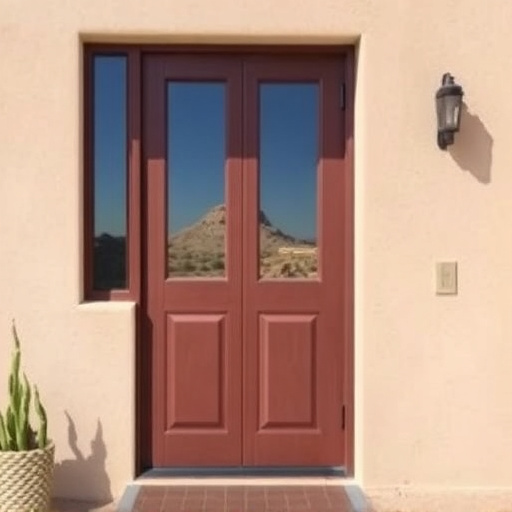
The desert environment presents unique challenges for maintaining doors, windows, and screens. High temperatures, frequent dust storms, and rapid temperature changes can all contribute to wear and tear on these structures. To keep your home comfortable and safe, regular care is essential. Start by evaluating your door and window frames for any signs of damage, such as warped wood or cracked caulk. These issues can lead to drafts and energy loss, exacerbating the effects of the intense summer heat.
For doors and windows, consider a comprehensive maintenance plan. This includes sealing gaps around the perimeter with weatherstripping, reapplying caulk where needed, and ensuring all screens are intact and properly fitted. Regular cleaning of dust and debris buildup is crucial, as it prevents blocking that could hinder proper sealing. A licensed contractor from DC Roofing of Arizona recommends using a soft brush or vacuum to remove dust from screens and tracks. Check for loose hinges and replace worn-out parts to maintain smooth operation.
Plumbing-related issues can also impact your door and window functionality. Leaky hose bibs, for example, should be promptly fixed to prevent water damage and energy waste. Similarly, a running toilet or leaky faucet can disrupt the overall comfort of your home. DIY enthusiasts can handle minor repairs, but for more complex plumbing or structural issues, it's best to call a professional. Regular inspection and maintenance, coupled with prompt attention to any unusual sounds or signs of damage, will ensure your doors, windows, and screens function optimally, keeping your home protected and comfortable during the desert's hottest months.
Screening Out Pests: A Crucial Desert Defense
In the desert environment, where the sun is fierce and the conditions are dry, keeping doors, windows, and screens in good working order is essential for comfort and security. One of the most critical aspects of this maintenance is screening out pests, which can enter homes through even the smallest of openings. A Tucson garage door technician often encounters this challenge, as pests like scorpions and spiders are drawn to the cool interior of homes during the hot desert summers.
To prevent these unwanted visitors, it's crucial to regularly inspect and maintain your screens. Look for any tears, holes, or loose patches and repair them promptly using a suitable screen repair kit. If the damage is extensive, consider replacing the entire screen. A DIY home repair project might involve cutting out a section of the screen and installing a new piece, ensuring a tight seal against intruders. Remember, a well-maintained screen is the first line of defense against pests and can also improve energy efficiency by keeping the outdoor heat out.
While some issues, like a leaky faucet or a running toilet, are best left to licensed plumbers and home repair specialists, there are several tasks a handyman can do to prepare for the desert's challenges. Regularly check doors and windows for weatherstripping damage, which can allow hot air to seep in during the day and cool air to escape at night. Replacing worn-out weatherstripping can make a significant difference in energy efficiency. Sealing gaps around doors and windows, especially those leading to outdoor areas, is crucial to prevent scorpions and other pests from entering. This simple step can be part of a broader home repair project involving drywall or even a simple caulk job. When addressing these issues, keep in mind that timely action is key; a small problem today can grow into a significant repair job tomorrow, possibly requiring the expertise of a contractor.
Regular Maintenance: When to Call a Roofer for Desert Repairs
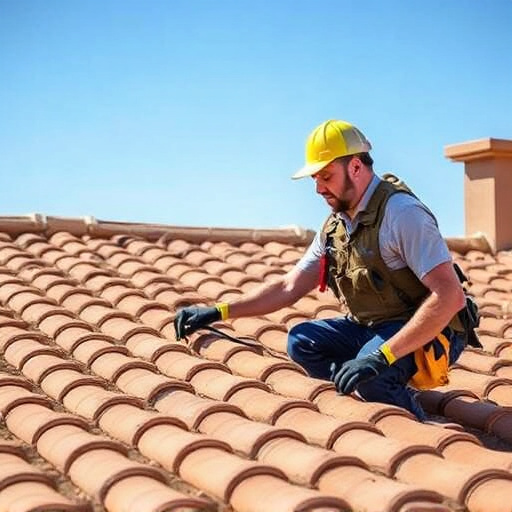
Regular maintenance is crucial for keeping your home in top shape in the demanding desert environment. Doors, windows, and screens are particularly susceptible to damage from heat, sand, and rapid temperature changes. Knowing when to call a roofer for desert repairs can prevent costly and inconvenient issues.
One of the first signs that your home needs professional attention is the presence of leaks or drafts. A leaky faucet, a running toilet, or drafts around windows and doors can signal problems with your plumbing or sealing. A licensed Tucson area roofing contractor can identify these issues and provide solutions, often involving caulk or weatherstripping to create a secure, water-tight seal. Regular inspections by a roofing contractor can catch these problems early, saving you from more extensive repairs later.
DIY enthusiasts may attempt some basic maintenance tasks, such as replacing a light bulb or fixing a leaky hose bib, but for more complex issues, it's best to call a professional. Replacing window screens or repairing a sticky door requires specific skills and tools. A roofing contractor is trained to handle these tasks, ensuring the job is done right. They can also assess the condition of your roof, screens, and windows, advising when a simple repair is not enough and a full replacement is necessary. Remember, for the structural integrity of your home, especially in a harsh climate, it's crucial to leave complex repairs to the experts.
Long-Term Solutions: Desert-Ready Doors & Windows
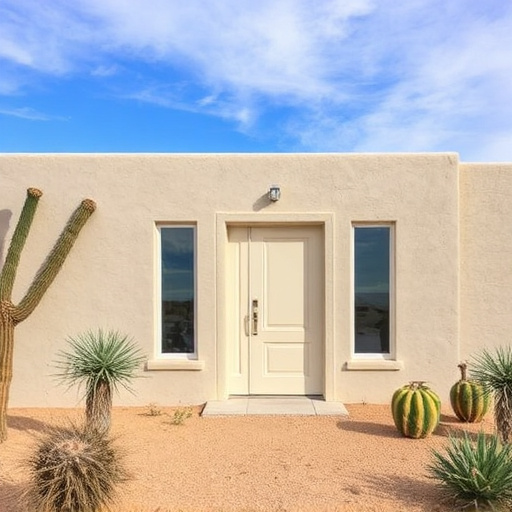
In the desert environment, doors, windows, and screens face unique challenges from intense sunlight, fluctuating temperatures, and potent winds. To ensure long-term functionality, proactive maintenance is crucial. Regular checks and the right materials can significantly extend the lifespan of these components, saving both time and money. A handyman homeowner might notice minor issues like loose screws or cracked seals during routine inspections, allowing for quick fixes before they become costly problems.
For doors and windows, the key to desert-ready solutions lies in weatherproofing and insulation. This involves sealing gaps around doors and windows with high-quality caulk and weatherstripping, preventing air leaks and moisture intrusion. For areas prone to intense sun, consider using reflective or low-e coatings on windows to mitigate heat gain, thereby reducing the workload on cooling systems. A local Tucson garage door company recommends inspecting door seals and replacing them as needed, as these seals are particularly vulnerable to damage from extreme temperatures and sand.
Regular cleaning and maintenance are also essential. Remove dust and debris that can accumulate on screens and seals, as these can hinder proper closure and create entry points for pests. Check for loose or damaged screens and replace them promptly to maintain airflow and security. Remember, the desert environment demands a robust defense against the elements, and these steps are crucial for the long-term performance of your doors, windows, and screens. If any issues persist or you're unsure about repairs, it's best to consult a licensed contractor; they can provide expert advice tailored to your specific needs.
Frequently Asked Questions About tips for keeping doors, windows and screens working in the desert
What are the unique challenges of maintaining doors, windows, and screens in a desert environment?
In arid climates, the main issues are extreme heat, dust, and rapid evaporation rates. These conditions can lead to wood shrinkage, metal warping, and weakened seals around doors and windows. Screens are particularly vulnerable to damage from sand and debris, and the intense sun can cause them to sag or become brittle. Regular, thorough cleaning and sealing is crucial to mitigate these effects.
How often should I inspect my doors and windows for damage?
We recommend inspecting your doors and windows at least once a month during extreme weather conditions. Look for signs of warping, cracking, or loose fittings. Pay special attention to the seals around the edges, as these can become compromised, leading to energy loss and increased noise levels. Early detection of issues allows for more timely repairs, preventing small problems from becoming costly repairs.
What materials are best suited for doors and windows in desert environments?
For long-lasting performance in the desert, choose high-quality materials that can withstand heat and humidity. Impact-resistant vinyl and fiberglass doors are excellent options due to their durability and insulation properties. For windows, double-pane or triple-pane glass with low-e (low-emissivity) coatings offer superior energy efficiency. Wood and aluminum frames are also suitable, but they require regular maintenance to prevent rot and corrosion.
How can I protect my screens from desert elements?
Regular cleaning is essential to remove accumulated dust and dirt. Consider using a hose or soft brush to gently sweep away debris. Applying a waterproof sealant to the screen mesh can prevent moisture from penetrating and causing damage. In extreme conditions, you may need to reinforce the screen with additional support brackets to maintain its structural integrity.
What is the best way to seal doors and windows against desert heat?
A comprehensive sealing strategy is crucial. Check for gaps around door and window frames, and fill these with weatherstripping or caulk. Ensure that all doors and windows have functioning sweeps (brackets at the bottom) to create a tight seal when closed. Consider internal blinds or shutters to provide extra insulation and control over light and heat. Regular reapplication of weatherproofing products can significantly improve energy efficiency.
Should I consider professional maintenance for my desert doors and windows?
Absolutely. Professional technicians can offer expert insights and recommendations tailored to your specific desert environment. They can perform thorough inspections, identify potential issues, and provide efficient repairs or replacements. Regular professional maintenance can extend the lifespan of your doors, windows, and screens, ensuring they remain functional and energy-efficient.
As we wrap up, it's clear that maintaining doors, windows, and screens in a desert environment requires a unique set of strategies to protect against extreme heat, keep pests out, and ensure long-term functionality. By regularly inspecting and addressing issues, such as sealing gaps against scorpions and replacing worn-out screens, homeowners can significantly extend the life of their outdoor living spaces. When to call a roofer is a crucial decision, best made with an understanding of both immediate repair needs and the overall condition of your property. Regular maintenance, including checking for loose cabinet hinges and adjusting sticking doors, is key to preventing small issues from becoming costly, time-consuming problems. Investing in desert-ready doors and windows, and understanding when to implement drip irrigation repairs, can further mitigate the unique challenges posed by this arid climate. With these insights in hand, you're now equipped to keep your desert home comfortable, secure, and well-maintained.
Protecting Against Extreme Heat: Desert Door & Window Care
- Regular Inspection: Check for damage like warped wood, cracked caulk, and loose hinges.
- Comprehensive Maintenance: Seal gaps with weatherstripping, reapply caulk, and ensure screens are intact and properly fitted.
- Dust Removal: Regularly clean screens and tracks to prevent blocking.
- Plumbing Issues: Promptly fix leaky hose bibs, address running toilets, and leaky faucets.
- DIY vs. Professional: Minor repairs are DIY-able, but complex issues require a licensed contractor.
- Timing Matters: Early action on small problems prevents significant repairs later.
- Expertise for Safety: Leave complex repairs to professionals for structural integrity.
- Long-Term Solutions: Weatherproofing, insulation, and regular cleaning extend component lifespans.
- Consult a Contractor: When unsure, consult a licensed roofer for expert advice tailored to desert conditions.